Introduction – Pride of the Golden City
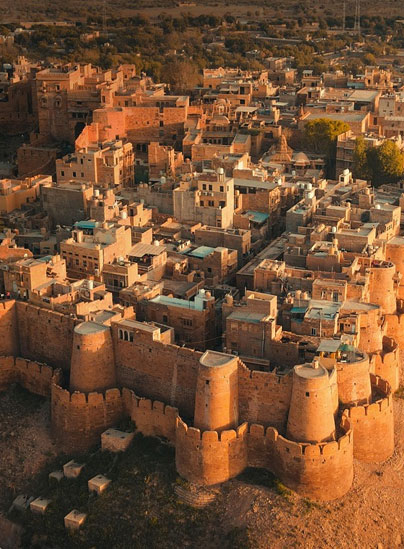
Perched on the Trikuta Hill and glowing in golden sandstone, Jaisalmer Fort, also known as Sonar Quila (Golden Fort), is one of the largest and most unique forts in the world. Built in 1156 AD by MaharawalJaisal, the fort is not just a monument; it is a living city where thousands of people still reside. Walking inside the fort feels like stepping into history, where every corner narrates tales of royalty, battles, and traditions.
Recognized as a UNESCO World Heritage Site, Jaisalmer Fort is among the most visited attractions in Rajasthan. Its golden hue during sunrise and sunset makes it appear like a crown in the desert, earning it the name “Sonar Quila.”
Architecture of Grandeur
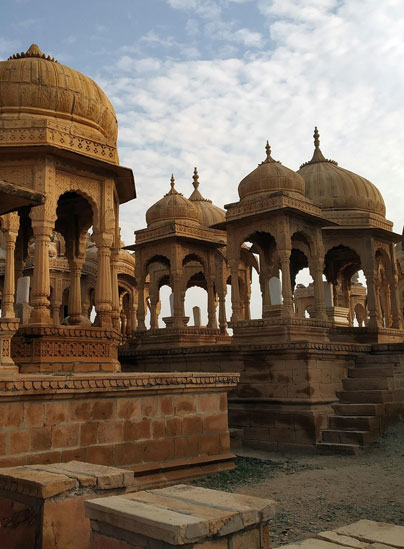
The fort’s architecture is a stunning example of Rajasthani craftsmanship. Rising 250 feet tall, the fort is surrounded by massive walls and 99 bastions. The entrances, known as Pols, lead into winding lanes lined with houses, temples, shops, and havelis. Unlike most forts that stand abandoned, Jaisalmer Fort remains alive with daily activity.
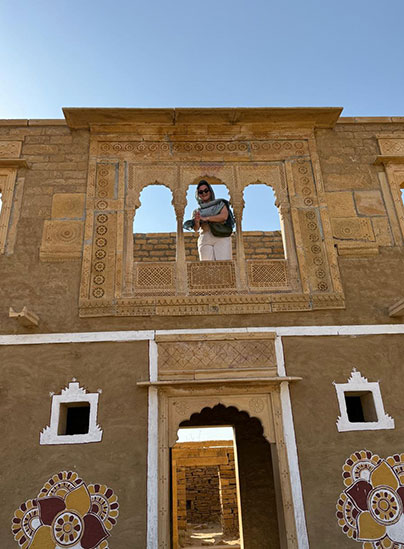
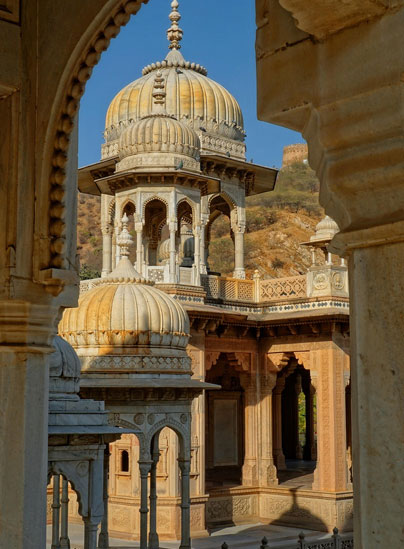
The use of yellow sandstone gives the fort its golden glow. Carved balconies, lattice windows, and intricate stonework showcase the skill of artisans who turned stone into poetry.
Temples and Havelis Inside the Fort
Inside the fort lies a treasure of Jain temples, dating back to the 12th–15th century. Dedicated to Tirthankaras, these temples are adorned with intricate carvings, sculptures, and pillars that reflect devotion and artistry.
Alongside temples are grand havelis (mansions), such as Patwon Ki Haveli and Nathmal Ki Haveli, which display detailed frescoes and jali work. These havelis belonged to wealthy merchants who traded on the Silk Route, and their grandeur reflects the prosperity of Jaisalmer in ancient times.
A Living Fort – Markets and Local Life
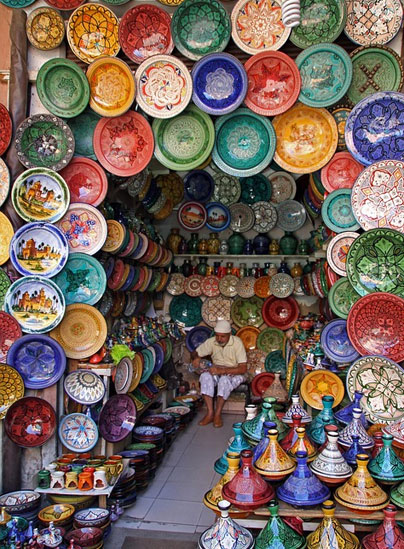
What makes Jaisalmer Fort truly unique is that it is still inhabited. Around 3,000 people live inside its walls, making it one of the few “living forts” in the world. The narrow lanes are filled with shops selling handicrafts, textiles, jewelry, leather goods, and souvenirs. Walking through these lanes, you can see daily life unfold amidst historic walls.
The blend of history and present-day culture makes Jaisalmer Fort more than just a monument – it is a living heritage.
Sunset View from the Fort
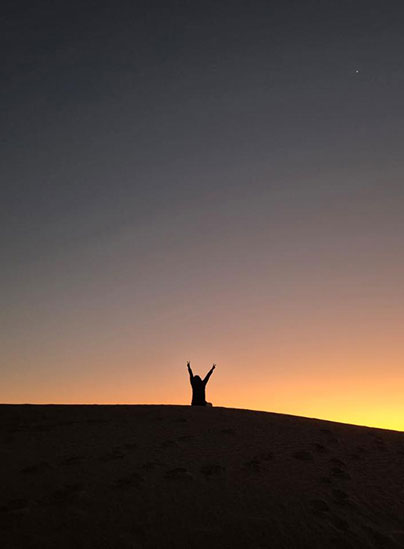
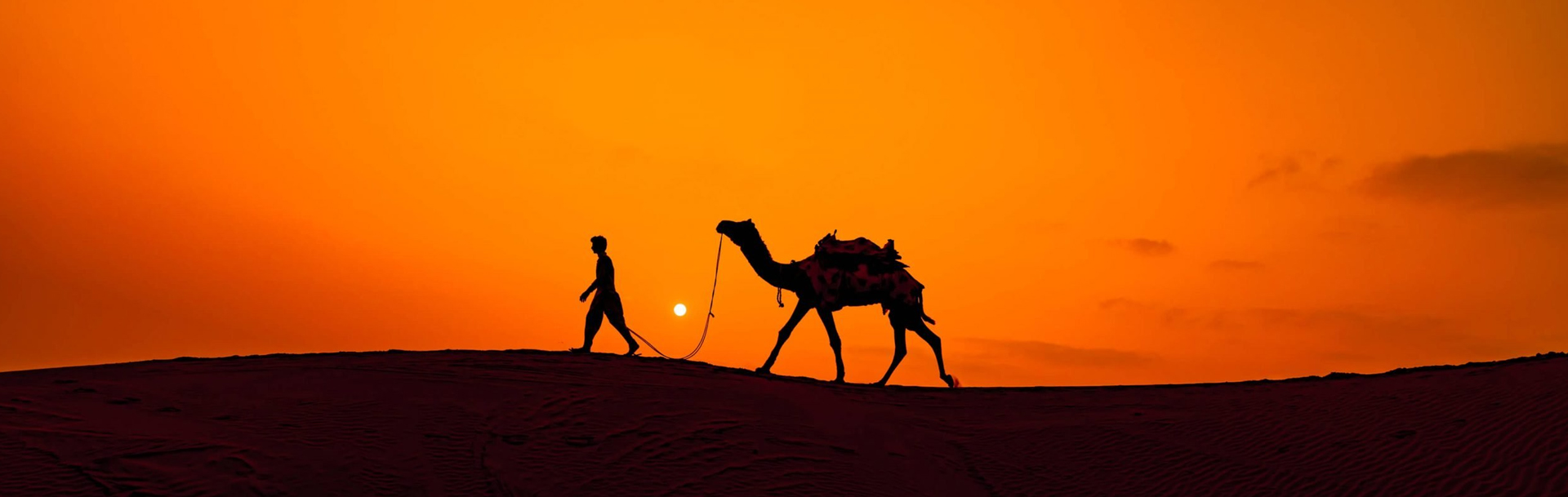
One of the most popular experiences is watching the sunset from Jaisalmer Fort. The fort glows golden as the sun sets, and the view of the surrounding desert city is breathtaking. Photographers and travelers often gather at vantage points to capture the magical play of light on sandstone.
Festivals and Celebrations
During festivals like Diwali, Holi, and the Desert Festival, Jaisalmer Fort becomes even more vibrant. Cultural programs, folk dances, and colorful decorations bring the fort alive with festive spirit. Visitors during these times get to witness Rajasthan’s traditions at their peak.
Why Visit Jaisalmer Fort
Best Time to Visit
The best time to explore Jaisalmer Fort is during October to March, when the weather is pleasant. Morning hours are ideal for photography, while evenings offer spectacular golden views.
A Living Legacy
The Jaisalmer Fort (Sonar Quila) is not just an architectural wonder but also a cultural hub where history continues to live. From its golden walls and intricate temples to bustling markets and local life, the fort is a blend of the past and the present.
For travelers, visiting Jaisalmer Fort is like opening a book of history that is still being written. It stands as a symbol of Rajasthan’s strength, beauty, and heritage, making it an unmissable experience in the Golden City.